The Climate Finance Crisis


Image © bpcreativedesign via Shutterstock.com.

This article was originally published in the magazine ‘Africa is a Country’ on July 28th, 2025.

International climate finance, designed to protect the world’s most vulnerable nations from climate catastrophe, has created a system where responsibility and consequence operate in inverse proportion. After all, the countries that have had virtually no contribution to the climate crisis are condemned to face existential threats to their very survival, while the wealthy industrialized nations that traded the health of our planet for a GDP boost remain largely shielded from its worst effects.

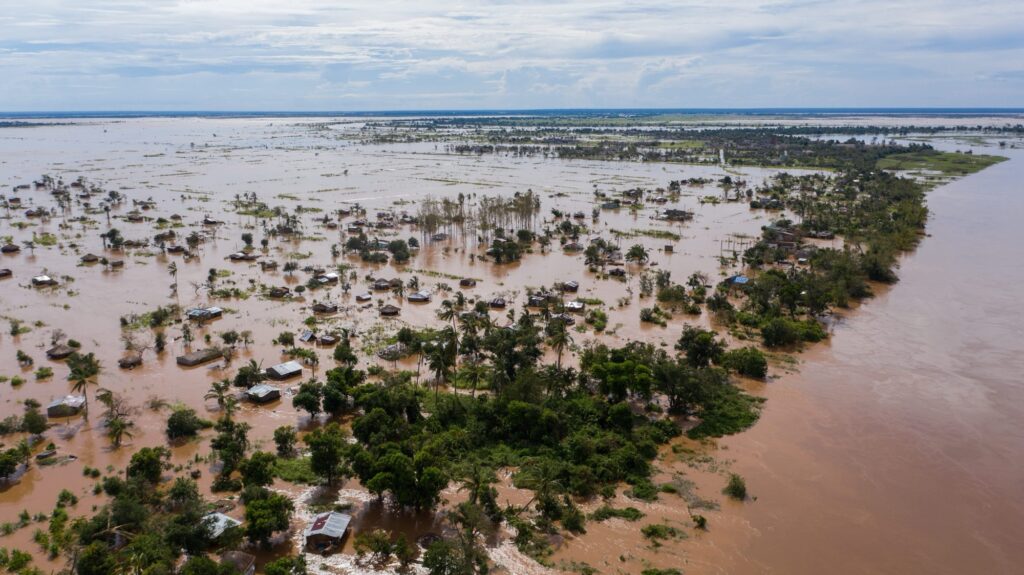
Yet this system excludes the very beneficiaries it was intended to serve, a far cry from the mechanism of protection it was envisioned to be. Perhaps nowhere is this more apparent than in the coastal plains of Mozambique, where Mother Nature’s seemingly endless barrage of cyclones routinely wreaks havoc, exacting revenge on undeserving communities that have done little to anger her.

These are the same communities that remain locked out of the very mechanisms designed to protect them. This paradox is all the more befuddling considering that the culprit is not, as it often is, a lack of funding; in fact, in 2022, the OECD reported that “developed countries materially surpassed their USD 100 billion climate finance commitment.” The question is: If resources are in such plentiful supply, why is it then that less than 10 percent of climate finance reaches the countries most vulnerable to climate change? The answer lies in a system that has transformed abundance into scarcity through its very design.

Of the USD 115.9 billion in climate finance mobilized in 2022, the majority flows to middle-income countries with established institutional capacity, while the least developed countries—those facing the most severe climate impacts—receive disproportionately small shares.  Mozambique’s exclusion is the unfortunate victim of the institutional barriers that systematically favor administrative sophistication over climate vulnerability. The structure of international climate finance centers around the concept of “bankability,” the requirement that climate projects demonstrate measurable financial returns to secure funding. This ultimately yields a system that conditions access to resources on elaborate feasibility studies, comprehensive risk assessments, and detailed financial projections. Unwittingly, these requirements presuppose the very institutional capacity that underdevelopment has denied.

The result? An absurd arrangement where countries with established bureaucratic infrastructure navigate funding mechanisms with ease, while nations confronting existential climate threats find themselves penalized for their lack of resources. The current regime embodies what amounts to a fundamental category error..

This category error is most evident in the impossible task of quantifying climate adaptation’s primary benefit: avoided catastrophe. How does one calculate the economic value of a cyclone that never destroys a village, or a drought that never forces mass migration? The commercial approach demands measurable returns precisely where measurement becomes meaningless, creating a system that systematically fails to account for the very outcomes it purports to achieve.

The predominant focus on mitigation over adaptation serves only to exacerbate this perversity. While multilateral institutions engage in intricate debates over carbon-pricing mechanisms and emission-reduction targets, Mozambican communities require immediate investments in flood defenses and drought-resistant agricultural systems. These adaptation measures, however essential for survival, cannot conform to the quantification that contemporary finance demands.

The result is a system that prioritizes abstract carbon credits over concrete seawalls, condemning vulnerable communities to drown in bureaucratic indifference while the waters rise around them. The shortcomings of the climate finance system yield detrimental consequences for the communities on the front lines; for Mozambique, it encompasses the collapse of agricultural systems across a nation already scarred by colonial extraction.

Mozambique’s rain-fed agriculture, feeding over 80 percent of the population, will be devastated by the two-pronged onslaught of rising temperatures and erratic rainfall. Prolonged droughts will deplete soil moisture and groundwater reserves, forcing farmers to abandon fields that have sustained communities for generations. Simultaneously, intensifying cyclones will destroy crops at harvest, wash away topsoil, and contaminate coastal fresh water with salt water. Add to that an explosion in pest and disease pressures as warmer temperatures expand the range of agricultural pathogens, and small-scale farmers lacking drought-resistant seeds or irrigation will watch their livelihoods evaporate into thin air.

Consequently, the World Bank projects that climate change will push an additional 1.6 million Mozambicans into poverty by 2050, no small feat for a nation of only 33 million people. That’s not to mention the relentless human cost of the crisis we’ve erected: Cyclone Idai’s 2019 assault claimed over 600 lives, while recent cyclones have killed 500 people and displaced half a million across the region. Each disaster brings not only a reminder of the policy shortcomings that failed to avert it but also a warning that the tragedy is merely the latest in a procession, each more unforgiving than the last.

This systematic exclusion constitutes a betrayal of the fundamental principles underlying international climate cooperation. If merely meeting their material financial quotas absolves wealthy nations of their climate obligations while those very resources never reach the populations most at risk, then climate finance ceases to be meaningful climate action, traversing into nothing more than sophisticated moral laundering.

Any attempt to address the exclusion of countries like Mozambique hinges on the fundamental restructuring of the international climate financial architecture to prioritize vulnerability assessment over administrative capability. This demands fast-track mechanisms for highly vulnerable countries, with simplified processes that acknowledge the constraints under which these nations operate.

Capacity building must be reconceptualized as integral to climate finance rather than a prerequisite for accessing it. This reconceptualization proves transformative in how we understand the relationship between institutional development and climate protection, treating capacity building as both a means and an end of climate interventions rather than a barrier to accessing them.

The international community stands at a crossroads: construct a system that serves those most at risk or continue the elaborate charade of climate action while abandoning the world’s most vulnerable communities to an increasingly hostile planet—all in service of maintaining the bureaucratic sophistication that has become our most sacred, and most lethal, ritual.
Our efforts can save the fishing cat from extinction

Photo credits: Pexels.

This article was originally published in The Daily Star on August 17th, 2023. The following is a revised version at the request of the author, Faraz Islam.

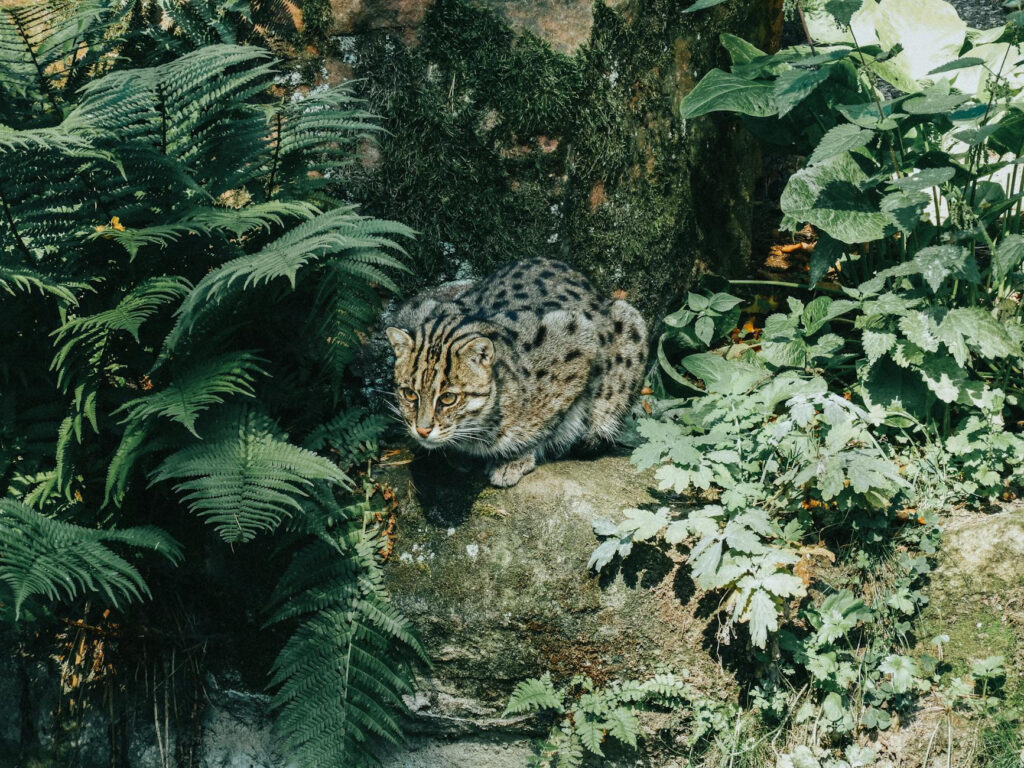
You might know that cats hate water, and you’d be entirely correct. But there is one major exception to this rule. The fishing cat (Prionailurus viverrinus) is an expert swimmer, around twice the size of a housecat, that loves to hunt in water. It is a beautiful animal, sporting an olive-grey coat decorated with spots and stripes of black. The cat primarily feasts on fish, which it catches using its fascinating retractable claws. Primarily found in wetland habitats where prey is abundant, they have been recorded in Bangladesh, Pakistan, Sri Lanka, Nepal, Myanmar, Thailand, Cambodia, and India. In West Bengal, the fishing cat is the state animal.

However, this captivating cat is in danger of extinction. According to the International Union for Conservation of Nature Red List of Threatened Species, the fishing cat population has declined by over 30 percent globally in the last 15 years, being extirpated from the entirety of the Indonesian island of Java in the process. In Bangladesh, too, the fishing cat faces challenges of its own. Often mistaken for tigers, media reports are rife with tales of these majestic creatures being butchered by disillusioned local villagers. The fishing cat must also contend with other issues such as the degradation of its wetland habitats, illegal wildlife trade, and inadequate funding for its conservation.

Because of the fishing cat’s wide and discontinuous range in isolated pockets across the country, a lot of its habitat falls in unprotected lands, where there are more people and therefore more likelihood of conflict occurring. The fishing cat may sometimes attack the locals’ livestock for food (as they are an easy target), thus angering the locals who then feel driven to kill the animal. But, as Chowdhury iterates, people often end up killing it for other reasons too, with very little to no logic in doing so.

On the issue of funding, from 2007 to 2013, the seven big cat species – lions, tigers, leopards, jaguars, pumas, cheetahs, and snow leopards – received the lion’s share of over 99 percent of the cat conservation funds, while the 33 small cat species were left with a meagre fraction of funds. This poses a significant challenge for the efforts to save small wild cats, such as the fishing cat, who face the same intensity of threats as their larger cousins but on substantially fewer funds with which to negotiate these challenges.

As an apex predator, the enigmatic feline that is the fishing cat plays a crucial role in regulating prey populations. Its extinction would have cascading effects on the ecological balance of a delicate ecosystem. It is crucial that the fishing cat be allowed to survive, and thrive, for the benefit of a wetland habitat that has an already dwindling health.

In Bangladesh, the fight to save the species crossed a major milestone in 2012 with the establishment of Project Fishing Cat. Founded by conservation biologist Sayam U Chowdhury, Project Fishing Cat works in one of the fishing cat hotspots in the Hail haor, at the northeast of the country. For the last ten years, this project has been studying fishing cats and mitigating conflicts with locals, saving many felines in the process.

“Here, the main challenge is to conserve its habitat outside protected areas since fishing cats occur widely in various habitat types including villages. So saving these pockets of homestead landscapes is extremely difficult,” says Chowdhury. “Secondly, many people think the fishing cat is a big threat and often misidentify [it] as a dangerous animal… and end up killing it or can kill it just for fun!”

Because of the fishing cat’s wide and discontinuous range in isolated pockets across the country, a lot of its habitat falls in unprotected lands, where there are more people and therefore more likelihood of conflict occurring. The fishing cat may sometimes attack the locals’ livestock for food (as they are an easy target), thus angering the locals who then feel driven to kill the animal. But, as Chowdhury iterates, people often end up killing it for other reasons too, with very little to no logic in doing so.

The fishing cat is fighting for its survival, trying to adapt to new circumstances resulting from human activity. For instance, in Sri Lanka, the fishing cat has crept into the urban landscape as the only known urban population of fishing cats in the world. We in Bangladesh should now do our part to find a way to coexist with this important species in their natural habitat, and improve the public’s perception of them, so that unnecessary killings are eliminated. The fishing cat will not be saved overnight. There is no silver bullet when it comes to conservation, and no magic wand we can wave to make all the problems threatening an animal’s existence go away. But with the right planning and execution, the fishing cat can make its way back from the verge of extinction.

The Coral Dilemma

Photo credit: Tomorrow’s World Today

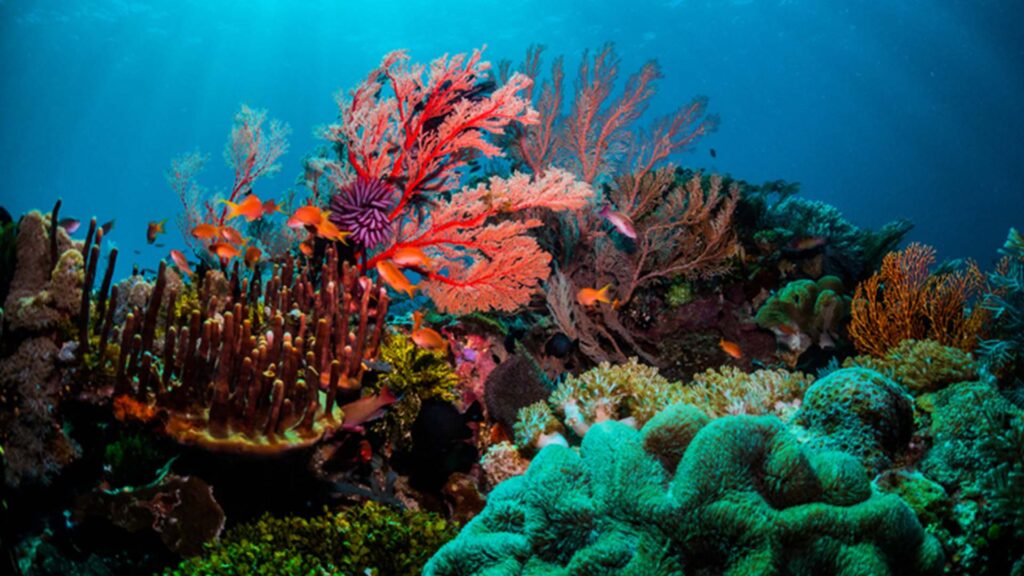
Look at the gorgeous, lush, vibrant coral reefs that decorate vast swathes of the world’s oceans, a place a quarter of all biodiversity on the planet call home. These pivotal animals are now under threat as rising temperatures in the world’s oceans are causing the widespread ‘bleaching’ of these stunning creatures. 

Corals are normally covered in microscopic algae, called zooxanthellae, that give them their colorful appearance. These zooxanthellae and corals both depend upon each other to survive, however when their marine environment experiences changes, such as increased temperatures from global warming, the coral ejects the zooxanthellae. This expulsion leaves the corals bare of their energetic colors, exposing their dull white skeletons and giving them the appearance of being bleached. Should the environmental changes fail to revert, the algae won’t return to the coral and as both are dependent on each other for survival, both will die. 

These vital coral reefs are under massive threat due to the increasing sea level temperatures caused by greenhouse gas emissions and are dying at rapid rates. Researchers estimate that 70-90% of all the world’s coral reefs will disappear in the next 20 years, a statistic beyond comprehension.

Over half a billion people are dependent on coral reefs for a living, in addition to the protection they offer coastlines from storms and erosion, and as such a world without these delicate but incredibly important creatures would have serious repercussions for the rest of the world.

The Last Wild Elephants of Vietnam

Wild elephants in Yok Don National Park, Vietnam. Photo by Faraz Islam.

Vietnam has seen the widespread killing of wild animals, especially during the years of the devastating Vietnam War, when wildlife populations experienced a steep decline. Many of Vietnam’s large mammals are extinct or critically-endangered, leaving little for a young wildlife-loving journalist like me to see. It was once home to the Javan rhino, the last of which was killed by poachers in Cat Tien National Park in 2010. Tigers are effectively extinct in the wild, wild bear populations are dwindling, as are leopards and elephants. 

The decline can be attributed to the rampant deforestation that restricts the animal population to small pockets of wilderness across the country. This separates the remaining population, consequently reducing genetic diversity and making it harder for individuals to find mates. One thing I’ve learned from my time as a conservationist is that nature is a very delicately balanced, fragile system where everything is connected. Removing one element will cause the entire system to come crashing down like dominos.

This contraction in the wild animal population is further encouraged by the rising demand for products such as tiger bones, bear bile, pangolin scales, rhino horn, and elephant tusks to be used in traditional medicine. This may be the final nail in the coffin for the final members. An article by the New York Times reports on the silent, empty national parks devoid of the rich wildlife it once contained. According to the ENV, as of January 1st, 2020, 302 tigers are recorded in captivity in Vietnam of which 248 are in privately owned farms and zoos. 

After dedicated hours to find some wildlife in Vietnam, I stumbled upon an off-road destination called Dak Lak where the last surviving elephants of Vietnam were reported to reside. Where there is a will, there is a way. It was a very difficult task to find any other information on the matter other than that an animal welfare organization called Animals Asia had started an initiative to stop elephant riding and create ethical elephant tourism experiences. I also found that Animals Asia had an elephant conservation center where they appeared to have a few elephants. 

Information was extremely scarce and outdated. I sought out people who had been to the center and learned that the only people who had gone there were from animal welfare NGO’s for a short-term study program, thus ending my quest to visit the center. I, however, was still not going to take no for an answer. I dragged my family all the way over to rural Dak Lak, in hopes of seeing the elephants. What we saw was horrible.

Captive elephants used for riding. Photo by Faraz Islam.

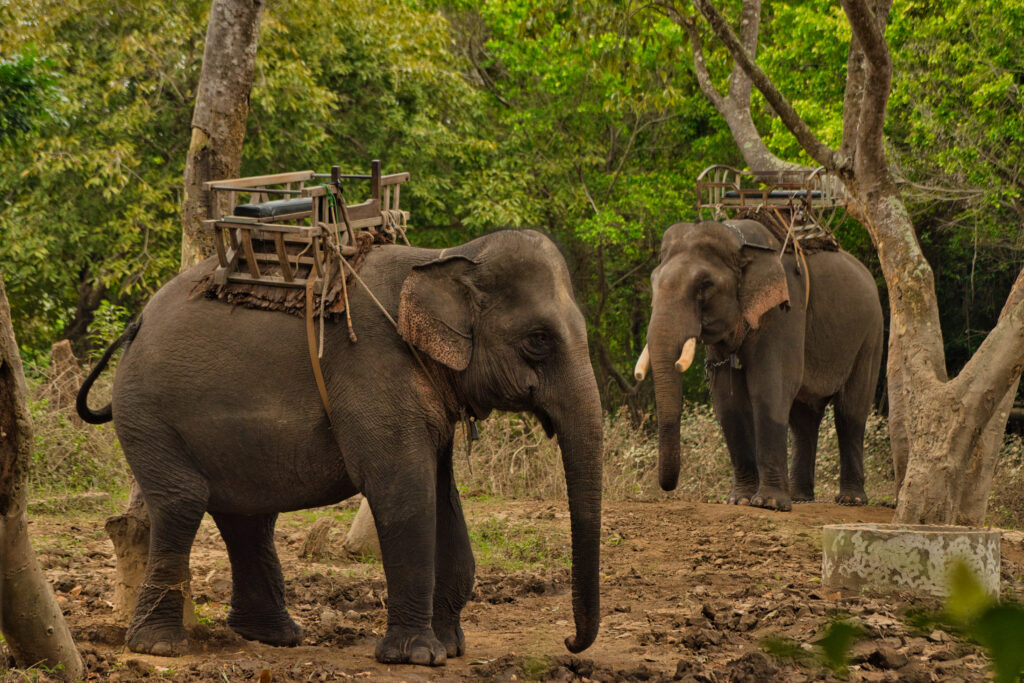
I had read that Animals Asia had created an initiative to end exploiting elephants for tourism but we saw so many elephants still being used for rides. I had not realized how much more work there was to be done. It was truly sad to see. Wherever we went in Dak Lak, we saw elephants kept in small enclosures bound to a tree with only a chain (as pictured in the image above). The elephant was so big and strong. It could easily have ripped off the chain with minimal effort. When it was young, it was captured and separated from its mother, be it captive or wild. The mahouts then proceeded to tame the elephant using the whip. At that age, the elephant was tied with that small chain, the same chain used to restrain him today. The elephant would have tried and tried to escape from that chain but at that age, it was simply too difficult. Over time the elephant just gave up. It grew bigger and stronger, strong enough to cast off his chains and escape but the trauma he had suffered in his childhood- being separated from his mother, tied up with a chain as long as your arm, suffering blow after blow from the whip, it had broken his heart and shattered all his hopes and dreams. He wouldn’t even try to resist anymore. He just obeyed every instruction his master gave him, living a life devoid of any purpose. He was born to be exploited until the day he died and another would take his place. It was heartbreaking. Two hours away, something much more encouraging was happening. 

In Yok Don National Park, we set out on a walk with our guide to find the elephants. Yok Don National Park is on the border with Cambodia where the elephants can move across the border. The park was there only for one purpose: for the elephants. We occasionally heard the cry of a bird or a water buffalo chewing leaves but nothing else. The forest seemed empty. We walked and walked and I was tired. I had hoped to see the wild elephants, some proof that the work that was taking place here was actually having an impact. But instead what I had found was 20-60 captive elephants either being kept at home or being exploited for tourism. Could this all just have been rumors?

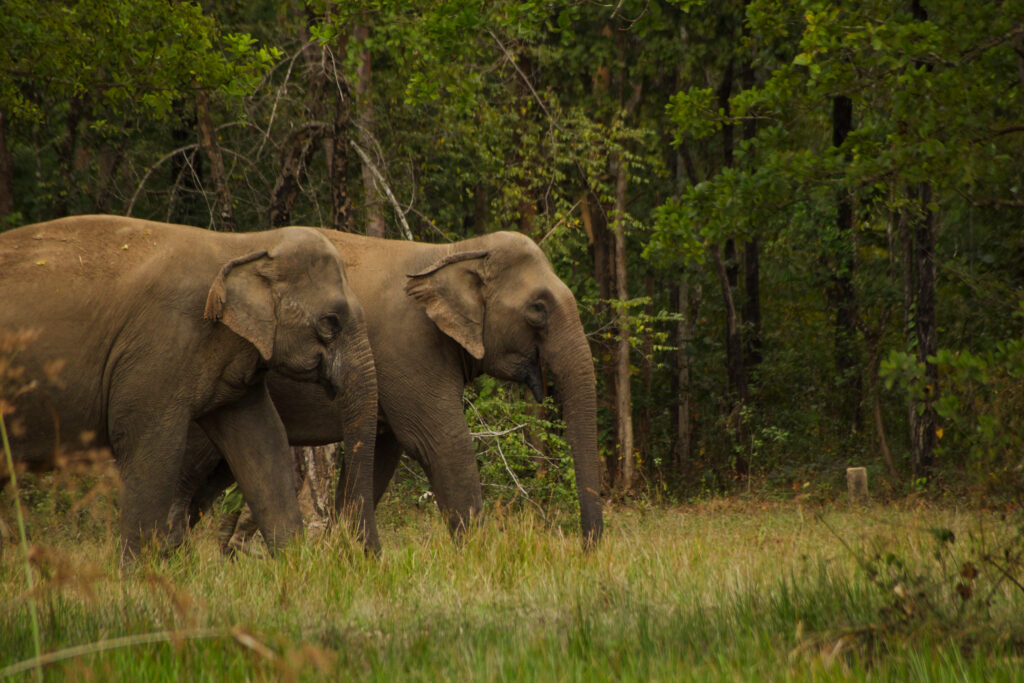
But then our guide pointed about a hundred meters ahead, where we spotted two female elephants. My heart nearly jumped out of my chest. I picked up my camera and began firing away, shot after shot. We watched them feed and then disappear into the forest. With our guide, we proceeded to follow them. We heard them long before we saw them in the dense bush. Munching loudly, they weren’t too difficult to locate. 

Elephant with mahout, Yok Don National Park. Photo by Faraz Islam.

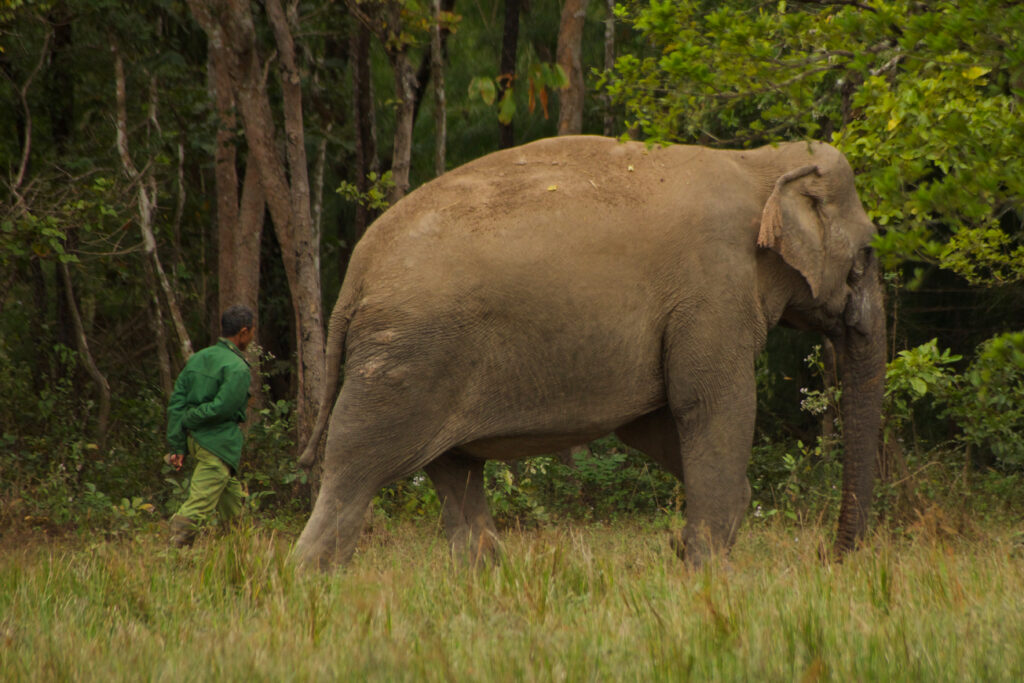
These elephants weren’t completely wild however. They were part of the Animals Asia program to release once captive elephants back into the wild. The pure wild elephants had not come to recognize the captive elephants as one of their own and would attack them so the mahouts that had once cracked the whip on the same elephants now protected them in their natural habitat, both from the elephants and also from poachers. 

We followed them for a while before the mahout motioned to me to follow him. By his side, we approached the elephants until we were no less than ten meters away from these huge creatures. I had seen elephants before, both in the wild in Africa and in captivity in Asia but never had I seen the rare wild elephants of Vietnam. The elephants, completely oblivious as to what we were doing, carried on munching away. They inched forward, chomping on whatever they could reach. Within no time, the mahout and I were no more than an arms reach away. The Asian elephant was significantly smaller than the African variation but that took nothing away from its huge size, towering over me.

This was what we had hoped to see. A success story. The names of the elephants were Bun Kham and Y Khun, who are often spotted roaming together. The mahouts were the same person that had ridden the elephant before and now had switched professions. The mahout had spent 25 years with the elephant. This job had its advantages because they knew they were doing something good and financially because they received a monthly salary that was higher than what they attained in their old job. The mahouts stay with the elephants all day, go home at night, and return the next day. Releasing the elephants into their natural habitat has already shown to have positive effects. The elephants no longer pace, their eyes have cleared up, and their skin shows no bruises. These elephants are very healthy but the 20+ captive elephants need your help. They are destined for the wild and deserve to be free. Help Animals Asia end animal suffering. DONATE NOW!!

Plastic, Plastic, and More Plastic

Photo by Faraz Islam, Battle for Planet

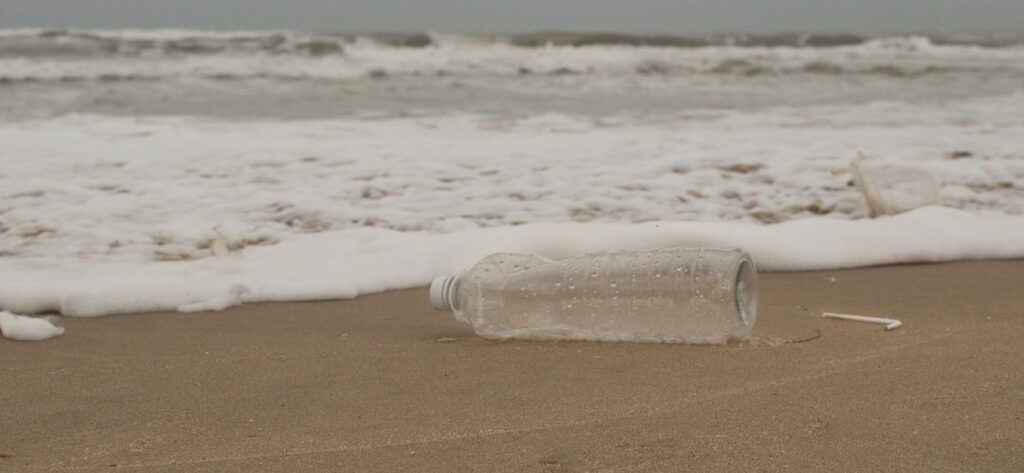
In honor of World Environment Day, which is dedicated to raising awareness and enforcing action to protect our environment, we must address the issue of single-use plastic which continues to plague our beautiful landscapes.

As a Bangladeshi, in my childhood, plastic bags were hard to come across as Bangladesh became the first country in the world to ban plastic bags way back in 2002, long before any environmental campaign against it. Rather it was banned after the discovery of drainage systems being clogged as a result of plastic bags which went on to cause ravaging floods. The enforcement of the ban, later on, began to falter, but that is not what this article is dedicated to.

Ever since I found myself in Vietnam, it has been hard not to acknowledge the excessive use of plastic on a daily basis. Everything was packaged and wrapped in layers of various kinds of plastic. Plastic bags were not an uncommon sight for me, from experience in Mozambique, but even in Mozambique, customers are required to pay for them. That acted as somewhat of a deterrent, silently encouraging customers to bring their own bags and effectively reducing plastic usage drastically. This was notably absent here in Vietnam, where plastic bags are commonly offered for free. 

Whether we acknowledge it or not, plastic is everywhere, making it very, very difficult to eliminate it from our lives. So over the past year, I was volunteered and collaborated with various organizations to attempt to dent the eventual plastic waste and found myself captivated by the solutions I came across. A group called Plastic People, with whom I volunteered for a while aims to reduce plastic waste by employing a network of local people to bring plastic waste from around the city and then using various machines to turn the waste into beautiful and original furniture. That changed our perspective as a family, leading us to now clean and store all the plastic we use and send it to Plastic People to turn into furniture, essentially placing our net plastic waste at zero.

After trash clean-ups and hours volunteering for Plastic People, I could not help but think that we needed to address this issue at the root, which starts with consumption. I was delighted to find that Ho Chi Minh City has now introduced a master plan to phase out single-use plastic from supermarkets and shopping centers, ahead of its regional peers. If successful, single-use plastic consumption from the city of almost 9 million people will be significantly reduced. Hopefully, this change extends to other parts of the world to one day eliminate single-use plastic.

“Be the change you wish to see in the world”

– Gandhi

A Journey From Hell

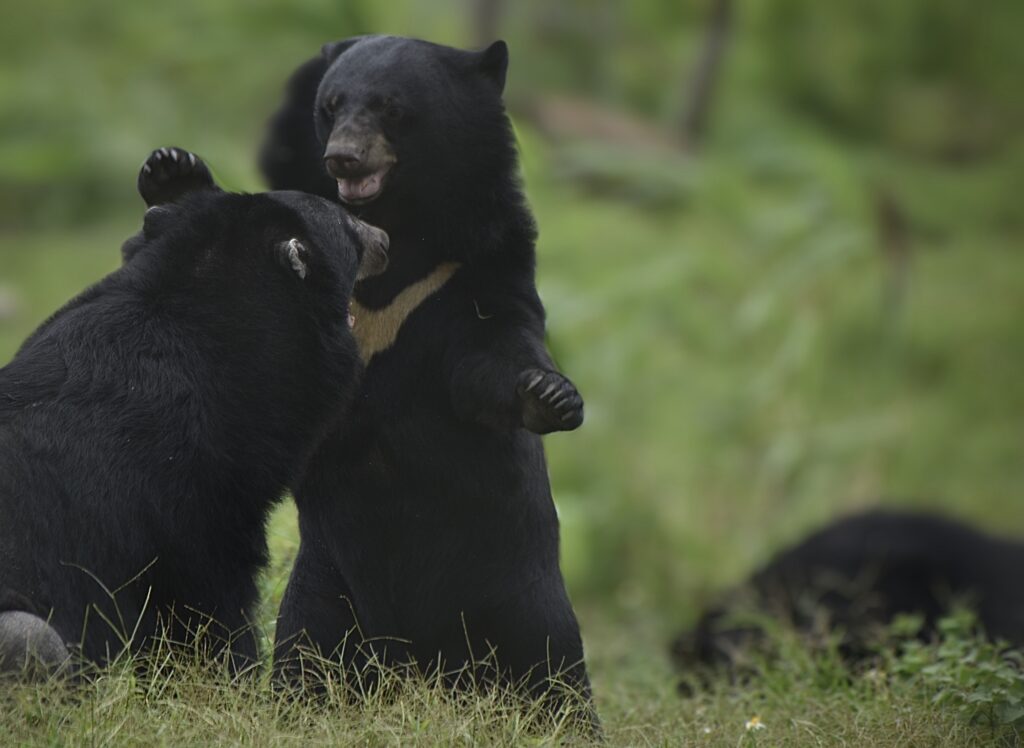
Bears playing at Four Paws Bear Sanctuary, Ninh Binh, Vietnam. Photo credits: Faraz Islam.

Rescued. Freed from torture. Given a second chance at life. This is what the Four Paws Bear Sanctuary has done. They have freed these beautiful, majestic moon bears from the hands of inhuman owners. These bears were captured from the wild, trafficked, and sold to bile farmers who forced the bears to live in cages too small to stand in. On a regular basis, the owners savagely beat them out of their cages and pierced their gallbladders with steel catheters to extract bile. In Chinese and Vietnamese traditional medicine, bear bile is falsely believed to have unique properties that heal diseases such as cancer. Some of the barbaric owners cut off the bears’ paws, to use in special wines. Subjected to such treatment for years, decades for some, many of these bears can never be returned to the wild due to an abundance of medical issues that require daily doses of medicine.

Vietnam continues to be a major source and consumer of bear bile despite actions taken in 2005 by the Vietnamese authorities to ban the extraction of bile from bears. However, bear bile farmers were still allowed to keep the bears they owned, due to a shortage of rescue centers to facilitate the estimated 4,500 bears in captivity. Allowed to keep their bears, farmers continued to extract bile, in violation of Vietnamese law. Due to the law, the Bear Sanctuary is not permitted to conduct raids on bear bile farms. They must work alongside Vietnamese authorities to prove the owners are extracting bile before they can rescue the bears.

The number of bears in captivity in Vietnam is currently estimated at 800 bears, a decline from the 4,500 fifteen years ago. Even so, this is not entirely good news. The decline in the number of bears in captivity coincides with the decline in the price of farmed bear bile. At its height in 2005, farmed bear bile prices were at 10 USD per milliliter contrasting with the 2 USD per milliliter now. This is because believers in traditional medicine claim the quality of farmed bear bile is inferior in comparison to that of wild bears, because of poor nutrition and high extraction rates.

Therefore, the hunting of bears from the wild has increased to meet the increasing demand for wild bear bile, which can fetch up to 12 times the price of farmed bear bile. This, along with the Vietnamese government’s plan to target zero bear farms by 2022, could result in dire consequences. There is then no incentive for bear owners to keep paying for their upkeep; especially when bile prices are at a steep decline and with the government closing in, many bear owners are choosing to kill off their bears and make a profit from the bears’ body parts, according to The ASEAN Post. The question is can the animal sanctuaries, alongside the government, rescue the bears before it’s too late?

Four Paws is an international organization with sanctuaries for bears across Europe and LIONSROCK in South Africa to care for the rich African wildlife. The Bear Sanctuary in Ninh Binh is very well maintained, clean, and spacious for the bears to thrive. They are currently caring for 33 bears with a capacity to house 100 bears and plans to expand if required. The cost for caring for one bear is $8-9 per day and Four Paws Bear Sanctuary are accepting donations. We strongly recommend you donate to them so that they can continue to plan rescue traumatized bears and house the majestic moon bears who have arrived in paradise after their time in hell.

You can donate to Four Paws BEAR SANCTUARY Ninh Binh here.

World Rhino Day 2020

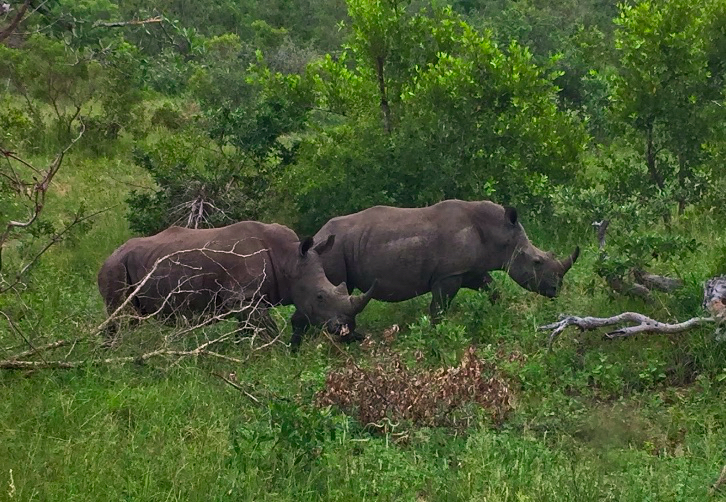
Rhinos in Kruger National Park, South Africa. Photo by Faraz Islam, Battle for Planet.

World Rhino Day brings to light the myths that contribute to the decreasing populations, in addition to celebrating all five species of rhinos. World Rhino Day is not about all the mistakes we made that led us to this situation with rhino species on the brink of extinction but also to appreciate the hard work that has gone into huge conservation successes. One such species that was pulled back from the brink was the white rhino. If you want to find out more about that, click on the link below.

Read: Back from the Brink: How White Rhino Numbers Increased 34,000%

There are five rhino species in the world, each species branching out into further subspecies. The rhino species are the white rhino, the black rhino, the Greater One-horned rhino, the Sumatran rhino, and the Javan rhino. The white rhino, thanks to the valiant efforts of conservationists, now has between 17,000 and 19,000 members while the black rhino numbers between 5,300 and 5,600 individuals. The white and the black rhino species are found exclusively on the African continent while the other rhino species are scattered across Asia.

The Javan rhino subspecies was declared extinct in Vietnam after the last known individual was killed at the hands of poachers in Cat Tien National Park, leaving the only population in Ujung Kulon National Park in Java, Indonesia where only 72 remain. Its Sumatran counterpart is in a similar situation with less than 80 on the islands of Sumatra and Borneo. The Greater One-horned Rhino is another conservation success story, with numbers ranging between 100 and 200 rhinos in the early 1900s and now almost 3,600 strong, according to Save the Rhino.

A positive development has occurred recently with two new Javan rhino babies that have been spotted yesterday, a sign that the Javan rhinos have been able to find mates and breed. It’s good news as it shows that their fragile population is increasing.

Rhinos, across the world, have had their habitats decimated by human development and, therefore, both this keystone species and their carefully balanced ecosystems are at stake.

What can you do to help?

You can adopt a Sumatran rhino here or adopt a rhino on WWF UK here. The symbolic adoption will contribute to efforts to save the remaining habitats of the species. Always discourage others from buying rhino horn products as they have no medicinal value and educate others about the dire situation that the rhinos are facing.

Back from the Brink – How White Rhino Numbers Increased 34,000%

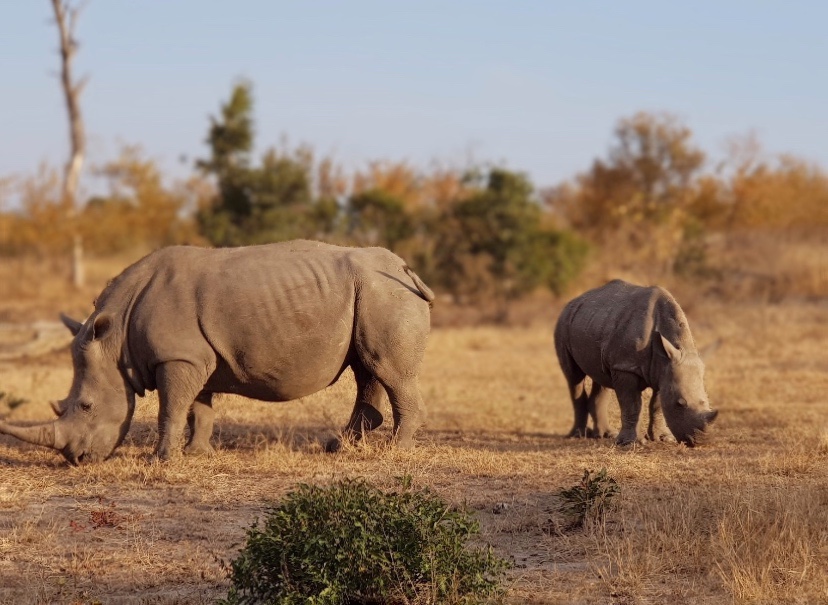
Rhinos at Kruger National Park, South Africa. Photo by Faraz Islam, Battle for Planet.

The Southern-White Rhinos numbered less than 50 at the turn of the 20th century as a result of being hunted for game. Since then, due to the hard work of Hluhluwe Imfolozi Park (HiP), white rhinos number over 17,000 today, an increase of 34,000%. According to an article by CNN, all the southern-white rhinos in the world are descended from the group of rhinos at HiP, meaning that all the southern-white rhinos are descended from a common ancestor that existed 120 years ago.

Rhinos across Africa are being hunted for their horns which is used as an ingredient in Chinese traditional medicine despite having been proven not to contain any medicinal value. Mao Zedong, former Chairmen of the Communist Party, promoted the use of rhino horn, tiger bones and bear bile, which sent several species stampeding towards extinction. Despite the fact that Zedong did not believe in the powers of rhino horn, he preferred the use of it over Western medicine. More recently, however, in countries such as China and Vietnam, rhino horn is viewed as an object that symbolizes wealth and power, fueling the illegal wildlife trade.

Due to the current lockdown being enforced in several countries and due to travel restrictions, we ourselves may not be able to take any action at the moment, but donating to WWF will help protect the habitats of endangered species.

International Shark Awareness Day 2020

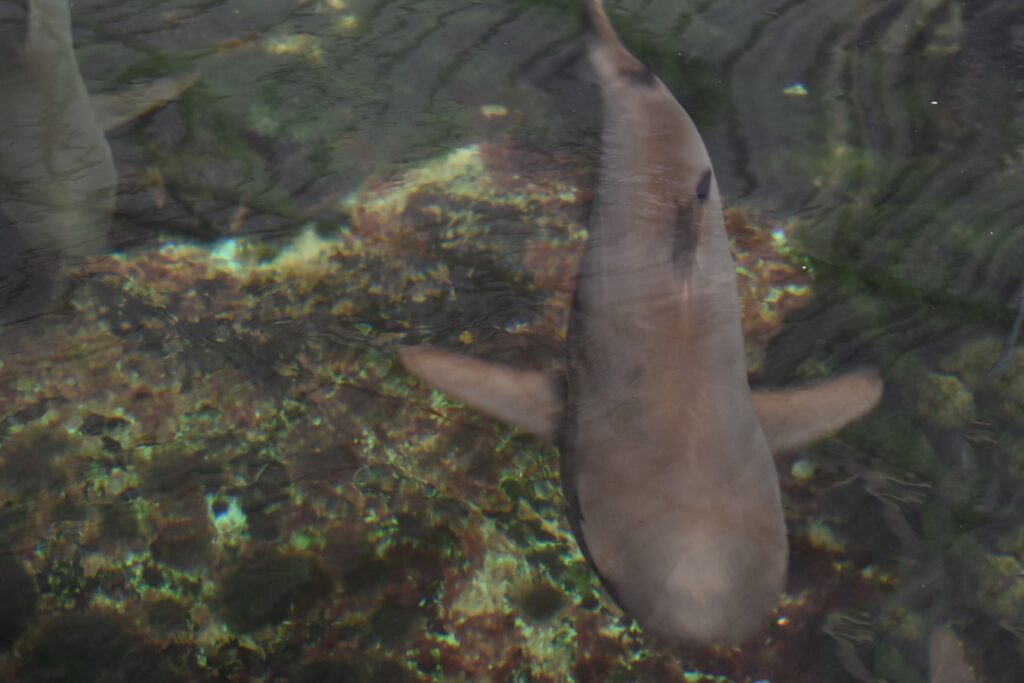
Photo by Faraz Islam, Battle for Planet

July 14 last week was Shark Awareness Day with TV channels showing documentaries and movies about sharks. Created by Tom Golden, Discovery Channel will present Shark Week, a week long programming block that originally premiered in 1988. National Geographic, similarly, launched SharkFest which is five weeks of all things shark. Former heavyweight champion, Mike Tyson, is set to fight a Great White Shark for Discovery Channel’s Shark Week.

Shark Awareness Day exists to remind and educate the world on the importance of sharks to the marine ecosystems in which shark populations are steeply declining. Sharks are important to our ecosystems because of their role as apex predators. Apex predators are required to maintain the balance of the populations of the species below them in the food chain. Without sharks to regulate our rivers and oceans, the species below them in the food chain would drive their prey to extinction and then die off due to lack of food to sustain their unregulated populations.

Removing sharks will also result in the collapse of fisheries, ecosystems, and reefs across the world. Even declining populations of sharks affect the fisheries and ecosystems negatively because the remaining numbers are so widely spread that mating is a challenge. We should not support unsustainable fishing practices nor should we support restaurants that serve products such as shark fin soup.

White Tigers: The Truth

Photo by Faraz Islam, Battle for Planet

White tigers are a fan favorite. Beautiful coat, blue eyes, what’s not to like? But there’s a dark truth behind that beautiful tiger. First and foremost, white tigers aren’t their own species. They are a genetic variation of the Bengal tiger which inhabits the Indian subcontinent. White tigers have their white coats due to a condition called leucism which causes a loss of pigmentation and their white coats and blue eyes.

White tigers are seldom seen in the wild because the chance of a white tiger occurring in the wild is so low that it is near impossible. In order to achieve a white tiger, breeders and zoos inbreed the animals. This is basically selective breeding but with parents who are close genetically. For example: brother and sister. White tigers also suffer from health issues such as lung development, spinal issues, deformed bones, reduced life-spans and immune deficiencies. It is common for white tigers to have deformed faces and crossed eyes. To obtain that picture-perfect white tiger, up to one hundred tigers may be given birth to and destroyed due to a deformed face, and other physical deformities. Due to their lack of skin pigmentation, they are more at risk from diseases such as cancer. Besides this, a white tiger would never be able to survive in the wild. Upon birth, its parents and siblings may attempt to destroy it because it is unrecognizable from its parents. If the white tiger did manage to survive infancy then it would be greeted with another set of challenges. Due to its skin color, any prey that it would attempt to hunt would spot it from far away proving it next to impossible to complete a hunt.

The white tiger suffers from a variety of problems yet breeders and zoos continue to breed them. Why? Because these tigers are adorable and people pay heavy prices to see them and pet them. They are a very profitable animal and it is financially profitable to destroy those one hundred cubs in order to obtain the picture-perfect cub which will make thousands of dollars. The breeding of white tigers should not be supported.